
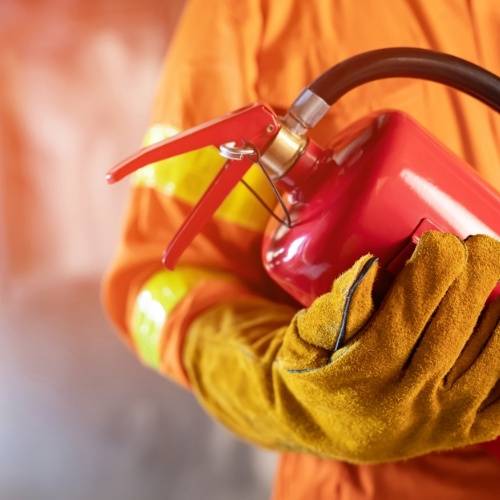
Fire Equipment And Safety
1. PURPOSE
The purpose of this Standard is to ensure
1.1. This standard sets out the company’s minimum requirements in terms of Personal Protective Equipment (PPE)
1.2. This standard is not exhaustive and operations may identify site specific PPE requirements through risk assessments and the use of a PPE need matrix.
2. SCOPE
This Standard applies to all Tongaat Hulett Operations.
3. REFERENCES
Occupational Health and Safety Act 85/1993
• General Safety Regulations – Regulation 2(3), 3(9)
• Driven Machine Regulations – regulation 20(3) (a), 8(6)
• Section 38 (1) (n) & (o)
• General Safety Regulations 2, 9 (General Health & Safety Regulation 2 & 9)
• General Safety Regulations – Regulation 2 (3) (a)
• Environmental Regulations – Regulation 2 (2) (b)
• Asbestos Regulations
SANS 809- 1984 – Industrial Safety Harnesses
SANS 1280 – Specification for Industrial Safety Belt Webbing
SANS 0400
SANS 0041 – Code of Practice for Noxious Dusts & Fumes
SANS 434, 1068 AND 136 – Protective Clothing
SANS 492 – Standard Specifications for Symbolic Safety Signs
SANS 083 – 1993. Measurement and assessment of occupational noise for hearing conservation purposes.
SANS 1451 – Part 1 & 2 - Standard Specification for Hearing Protectors, Ear Muffs & Plugs and / or applicable legislation for operations outside South Africa.
Personal protective equipment (PPE) refers to protective clothing, helmets, goggles, or other gear designed to protect the wearer's body or clothing from injury by electrical hazards, heat, chemicals, and infection, for job-related occupational safety and health purposes.
Assessing suitable PPE
- To allow the right type of PPE to be chosen, carefully consider the different hazards in the workplace. This will enable you to assess which types of PPE are suitable to protect against the hazard and for the job to be done.
- Ask your supplier for advice on the different types of PPE available and how suitable they are for different tasks. It may be necessary in a few particularly difficult cases to obtain advice from specialist sources and from the PPE manufacturer.
Consider the following when assessing whether PPE is suitable:
- Is it appropriate for the risks involved and the conditions at the place where exposure to the risk may occur? For example, eye protection designed for providing protection against agricultural pesticides will not offer adequate face protection for someone using an angle grinder to cut steel or stone.
- Does it prevent or adequately control the risks involved without increasing the overall level of risk?
- Can it be adjusted to fit the wearer correctly?
- Has the state of health of those who will be wearing it been taken into account?
- What are the needs of the job and the demands it places on the wearer? For example, the length of time the PPE needs to be worn, the physical effort required to do the job and the requirements for visibility and communication.
- If more than one item of PPE is being worn, are they compatible? For example, does a particular type of respirator make it difficult to get eye protection to fit properly.
The hazards and types of PPE:
Eyes
- Hazards: chemical or metal splash, dust, projectiles, gas and vapour, radiation.
- Options: safety spectacles, goggles, faceshields, visors.
Head
- Hazards: impact from falling or flying objects, risk of head bumping, hair entanglement.
- Options: a range of helmets and bump caps.
Breathing
- Hazards: dust, asbestos, vapour, gas, oxygen-deficient atmospheres.
- Options: disposable filtering facepiece or respirator, half- or full-face respirators, air-fed helmets, breathing apparatus.
- Protecting the body with safety protective wear
- Hazards: temperature extremes, adverse weather, chemical or metal splash, spray from pressure leaks or spray guns, impact or penetration, contaminated dust, excessive wear or entanglement of own clothing. Options: conventional or disposable overalls, boiler suits, specialist protective clothing, e.g. chain-mail aprons, high-visibility clothing.
Hands and arms
Hazards: abrasion, temperature extremes, cuts and punctures, impact, chemicals, electric shock, skin infection, disease or contamination.
Options: gloves, gauntlets, mitts, wristcuffs, armlets.
Feet and legs - safety wear
Hazards: wet, electrostatic build-up, slipping, cuts and punctures, falling objects, metal and chemical splash, abrasion.
Options: safety boots and shoes with protective toe caps and penetration-resistant mid-sole, gaiters, leggings, spats.

- Fire Check
- 10 Cassiafield Grove Springfield Park, Durban 4091, Springfield Park, Durban, KwaZulu-Natal, South Africa(4091)
- 0315794890
More Services From This Store
More Services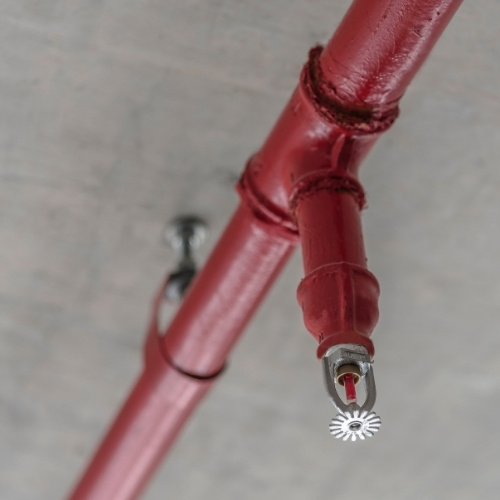
Wet pipe systems
Fire Check
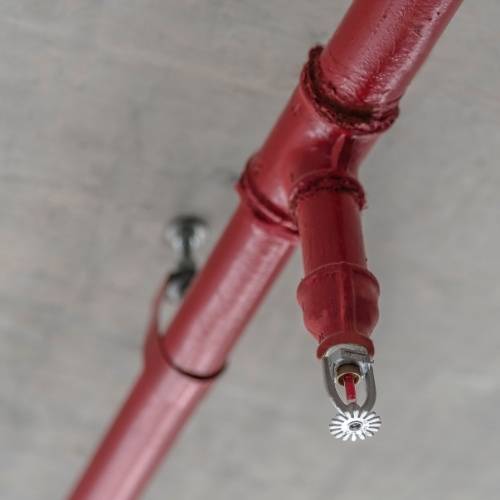
Wet pipe systems
By a wide margin, wet pipe sprinkler systems are installed more often than all other types of fire sprinkler systems. They also are the most reliable, because they are simple, with the only operating components being the automatic sprinklers and (commonly, but not always) the automatic alarm check valve. An automatic water supply provides water under pressure to the system piping.
Operation - When an automatic sprinkler is exposed for a sufficient time to a temperature at or above the temperature rating, the heat sensitive element (glass bulb or fusible link) releases, allowing water to flow from that sprinkler.
Dry pipe systems
Fire Check
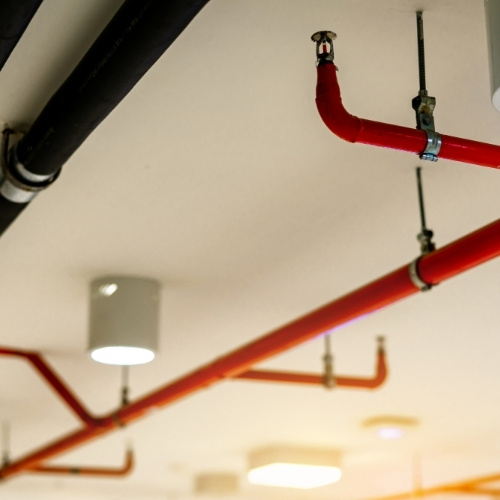
Dry pipe systems
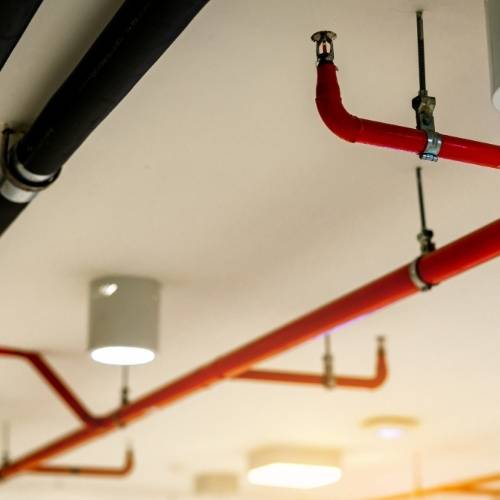
Dry pipe systems are installed in spaces in which the ambient temperature may be cold enough to freeze the water in a wet pipe system, rendering the system inoperable. Dry pipe systems are most often used in unheated buildings, in parking garages, in outside canopies attached to heated buildings (in which a wet pipe system would be provided), or in refrigerated coolers. Dry pipe systems are the second most common sprinkler system type. In regions using NFPA regulations, dry pipe systems cannot be installed unless the range of ambient temperatures reaches below 40F[4].
Operation - Water is not present in the piping until the system operates. The piping is filled with air below the water supply pressure. To prevent the larger water supply pressure from forcing water into the piping, the design of the dry pipe valve (a specialized type of check valve) results in a greater force on top of the check valve clapper by the use of a larger valve clapper area exposed to the piping air pressure, as compared to the higher water pressure but smaller clapper surface area.
When one or more of the automatic sprinklers is exposed to for a sufficient time to a temperature at or above the temperature rating, it opens, allowing the air in the piping to vent from that sprinkler. Each sprinkler operates individually. As the air pressure in the piping drops, the pressure differential across the dry pipe valve changes, allowing water to enter the piping system. Water flow from sprinklers needed to control the fire is delayed until the air is vented from the sprinklers. For this reason, dry pipe systems are usually not as effective as wet pipe systems in fire control during the initial stages of the fire.
Some view dry pipe sprinklers as advantageous for protection of collections and other water sensitive areas. This perceived benefit is due to a fear that wet system piping may leak, while dry pipe systems will not. However, the same potential for accidental water damage exists, as dry pipe systems will only provide a slight delay prior to water discharge while the air in the piping is released from the pipe.
Disadvantages of using dry pipe fire sprinkler systems include:
- Increased complexity - Dry pipe systems require additional control equipment and air pressure supply components which increases system complexity. This puts a premium on proper maintenance, as this increase in system complexity results in an inherently less reliable overall system (i.e., more single failure points) as compared to a wet pipe system.
- Higher installation and maintenance costs - The added complexity impacts the overall dry-pipe installation cost, and increases maintenance expenditure primarily due to added service labor costs.
- Lower design flexibility - Regulatory requirements limit the maximum permitted size (i.e., 750 gallons) of individual dry-pipe systems, unless additional components and design efforts are provided to limit the time from sprinkler activation to water discharge to under one minute. These limitations may increase the number of individual sprinkler systems (i.e., served from a single riser) that must be provided in the building, and impact the ability of an owner to make system additions.
- Increased fire response time - Because the piping is empty at the time the sprinkler operates, there is an inherent time delay in delivering water to the sprinklers which have operated while the water travels from the riser to the sprinkler, partially filling the piping in the process. A maximum of 60 seconds is normally allowed by regulatory requirements from the time a single sprinkler opens until water is discharged onto the fire. This delay in fire suppression results in a larger fire prior to control, increasing property damage.
- Increased corrosion potential - Following operation or testing, dry-pipe sprinkler system piping is drained, but residual water collects in piping low spots, and moisture is also retained in the atmosphere within the piping. This moisture, coupled with the oxygen available in the compressed air in the piping, increases pipe internal wall corrosion rates, possibly eventually leading to leaks. The internal pipe wall corrosion rate in wet pipe systems (in which the piping is constantly full of water) is much lower, as the amount of oxygen available for the corrosion process is lower.
Deluge systems
Fire Check
Deluge systems
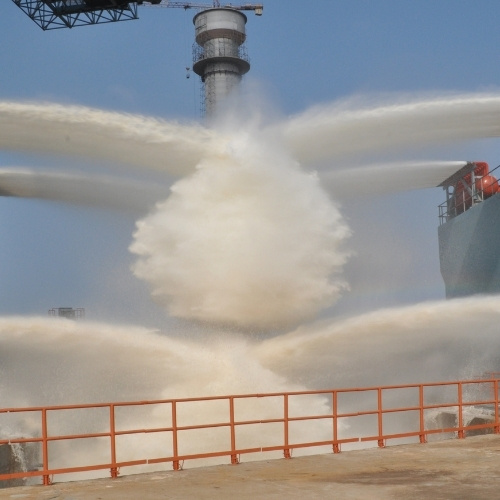
"Deluge" systems are systems in which all sprinklers connected to the water piping system are open, in that the heat sensing operating element is removed, or specifically designed as such. These systems are used for special hazards where rapid fire spread is a concern, as they provide a simultaneous application of water over the entire hazard. They are sometimes installed in personnel egress paths or building openings to slow travel of fire (e.g., openings in a fire-rated wall).
Water is not present in the piping until the system operates. Because the sprinkler orifices are open, the piping is at atmospheric pressure. To prevent the water supply pressure from forcing water into the piping, a deluge valve is used in the water supply connection, which is a mechanically latched valve. It is a non-resetting valve, and stays open once tripped.
Because the heat sensing elements present in the automatic sprinklers have been removed (resulting in open sprinklers), the deluge valve must be opened as signaled by a fire alarm system. The type of fire alarm initiating device is selected mainly based on the hazard (e.g., smoke detectors, heat detectors, or optical flame detectors). The initiation device signals the fire alarm panel, which in turn signals the deluge valve to open. Activation can also be manual, depending on the system goals. Manual activation is usually via an electric or pneumatic fire alarm pull station, which signals the fire alarm panel, which in turn signals the deluge valve to open.
Operation - Activation of a fire alarm initiating device, or a manual pull station, signals the fire alarm panel, which in turn signals the deluge valve to open, allowing water to enter the piping system. Water flows from all sprinklers simultaneously.
Related Services
Wet pipe systems
Fire Check
Wet pipe systems
By a wide margin, wet pipe sprinkler systems are installed more often than all other types of fire sprinkler systems. They also are the most reliable, because they are simple, with the only operating components being the automatic sprinklers and (commonly, but not always) the automatic alarm check valve. An automatic water supply provides water under pressure to the system piping.
Operation - When an automatic sprinkler is exposed for a sufficient time to a temperature at or above the temperature rating, the heat sensitive element (glass bulb or fusible link) releases, allowing water to flow from that sprinkler.
Dry pipe systems
Fire Check
Dry pipe systems
Dry pipe systems are installed in spaces in which the ambient temperature may be cold enough to freeze the water in a wet pipe system, rendering the system inoperable. Dry pipe systems are most often used in unheated buildings, in parking garages, in outside canopies attached to heated buildings (in which a wet pipe system would be provided), or in refrigerated coolers. Dry pipe systems are the second most common sprinkler system type. In regions using NFPA regulations, dry pipe systems cannot be installed unless the range of ambient temperatures reaches below 40F[4].
Operation - Water is not present in the piping until the system operates. The piping is filled with air below the water supply pressure. To prevent the larger water supply pressure from forcing water into the piping, the design of the dry pipe valve (a specialized type of check valve) results in a greater force on top of the check valve clapper by the use of a larger valve clapper area exposed to the piping air pressure, as compared to the higher water pressure but smaller clapper surface area.
When one or more of the automatic sprinklers is exposed to for a sufficient time to a temperature at or above the temperature rating, it opens, allowing the air in the piping to vent from that sprinkler. Each sprinkler operates individually. As the air pressure in the piping drops, the pressure differential across the dry pipe valve changes, allowing water to enter the piping system. Water flow from sprinklers needed to control the fire is delayed until the air is vented from the sprinklers. For this reason, dry pipe systems are usually not as effective as wet pipe systems in fire control during the initial stages of the fire.
Some view dry pipe sprinklers as advantageous for protection of collections and other water sensitive areas. This perceived benefit is due to a fear that wet system piping may leak, while dry pipe systems will not. However, the same potential for accidental water damage exists, as dry pipe systems will only provide a slight delay prior to water discharge while the air in the piping is released from the pipe.
Disadvantages of using dry pipe fire sprinkler systems include:
- Increased complexity - Dry pipe systems require additional control equipment and air pressure supply components which increases system complexity. This puts a premium on proper maintenance, as this increase in system complexity results in an inherently less reliable overall system (i.e., more single failure points) as compared to a wet pipe system.
- Higher installation and maintenance costs - The added complexity impacts the overall dry-pipe installation cost, and increases maintenance expenditure primarily due to added service labor costs.
- Lower design flexibility - Regulatory requirements limit the maximum permitted size (i.e., 750 gallons) of individual dry-pipe systems, unless additional components and design efforts are provided to limit the time from sprinkler activation to water discharge to under one minute. These limitations may increase the number of individual sprinkler systems (i.e., served from a single riser) that must be provided in the building, and impact the ability of an owner to make system additions.
- Increased fire response time - Because the piping is empty at the time the sprinkler operates, there is an inherent time delay in delivering water to the sprinklers which have operated while the water travels from the riser to the sprinkler, partially filling the piping in the process. A maximum of 60 seconds is normally allowed by regulatory requirements from the time a single sprinkler opens until water is discharged onto the fire. This delay in fire suppression results in a larger fire prior to control, increasing property damage.
- Increased corrosion potential - Following operation or testing, dry-pipe sprinkler system piping is drained, but residual water collects in piping low spots, and moisture is also retained in the atmosphere within the piping. This moisture, coupled with the oxygen available in the compressed air in the piping, increases pipe internal wall corrosion rates, possibly eventually leading to leaks. The internal pipe wall corrosion rate in wet pipe systems (in which the piping is constantly full of water) is much lower, as the amount of oxygen available for the corrosion process is lower.
Deluge systems
Fire Check
Deluge systems
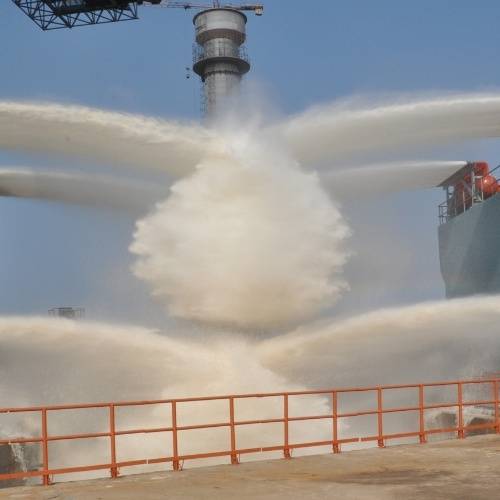
"Deluge" systems are systems in which all sprinklers connected to the water piping system are open, in that the heat sensing operating element is removed, or specifically designed as such. These systems are used for special hazards where rapid fire spread is a concern, as they provide a simultaneous application of water over the entire hazard. They are sometimes installed in personnel egress paths or building openings to slow travel of fire (e.g., openings in a fire-rated wall).
Water is not present in the piping until the system operates. Because the sprinkler orifices are open, the piping is at atmospheric pressure. To prevent the water supply pressure from forcing water into the piping, a deluge valve is used in the water supply connection, which is a mechanically latched valve. It is a non-resetting valve, and stays open once tripped.
Because the heat sensing elements present in the automatic sprinklers have been removed (resulting in open sprinklers), the deluge valve must be opened as signaled by a fire alarm system. The type of fire alarm initiating device is selected mainly based on the hazard (e.g., smoke detectors, heat detectors, or optical flame detectors). The initiation device signals the fire alarm panel, which in turn signals the deluge valve to open. Activation can also be manual, depending on the system goals. Manual activation is usually via an electric or pneumatic fire alarm pull station, which signals the fire alarm panel, which in turn signals the deluge valve to open.
Operation - Activation of a fire alarm initiating device, or a manual pull station, signals the fire alarm panel, which in turn signals the deluge valve to open, allowing water to enter the piping system. Water flows from all sprinklers simultaneously.