
Conventional
Fire Check
Conventional
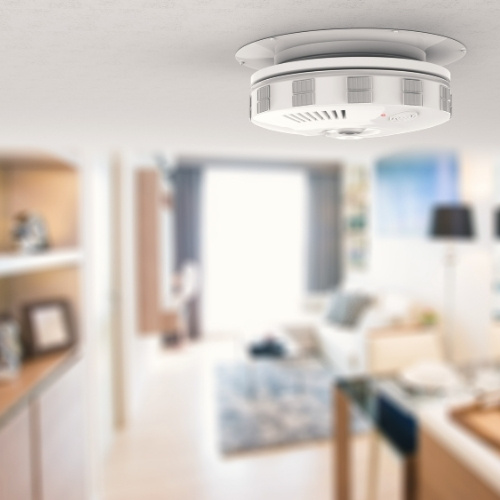
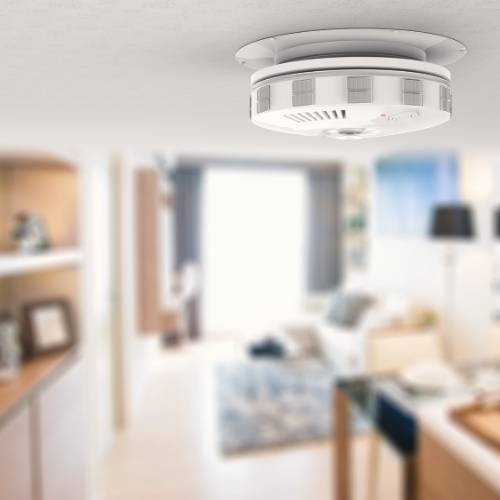
The word Conventional is slang used to distinguish the method used to communicate with the control unit from that used by addressable detectors whose methods were unconventional at the time of their introduction. So called “Conventional Detectors” cannot be individually identified by the control unit and resemble an electrical switch in their information capacity. These detectors are connected in parallel to the signaling path or (initiating device circuit) so that the current flow is monitored to indicate a closure of the circuit path by any connected detector when smoke or other similar environmental stimulus sufficiently influences any detector. The resulting increase in current flow is interpreted and processed by the control unit as a confirmation of the presence of smoke and a fire alarm signal is generated.

Fire Alarms
Fire Check
Fire Alarms
Design
After the fire protection goals are established - usually by referencing the minimum levels of protection mandated by the appropriate model building code, insurance agencies, and other authorities - the fire alarm designer undertakes to detail specific components, arrangements, and interfaces necessary to accomplish these goals. Equipment specifically manufactured for these purposes are selected and standardized installation methods are anticipated during the design. In the United States, NFPA 72, The National Fire Alarm Code is an established and widely used installation standard.
- Fire alarm control panel: This component, the hub of the system, monitors inputs and system integrity, controls outputs and relays information.
-
Primary Power supply: Commonly the non-switched 120 or 240 Volt Alternating Current source supplied from a commercial power utility. In non-residential applications, a branch circuit is dedicated to the fire alarm system and its constituents. "Dedicated branch circuits" should not be confused with "Individual branch circuits" which supply energy to a single appliance.
- Secondary (backup) Power supplies: This component, commonly consisting of sealed lead-acid storage batteries or other emergency sources including generators, is used to supply energy in the event of a primary power failure.
-
Initiating Devices: This component acts as an input to the fire alarm control unit and are either manually or automatically actuated.
- Notification appliances: This component uses energy supplied from the fire alarm system or other stored energy source, to inform the proximate persons of the need to take action, usually to evacuate.
-
Building Safety Interfaces: This interface allows the fire alarm system to control aspects of the built environment and to prepare the building for fire and to control the spread of smoke fumes and fire by influencing air movement, lighting, process control, human transport and exit.
Initiating Devices
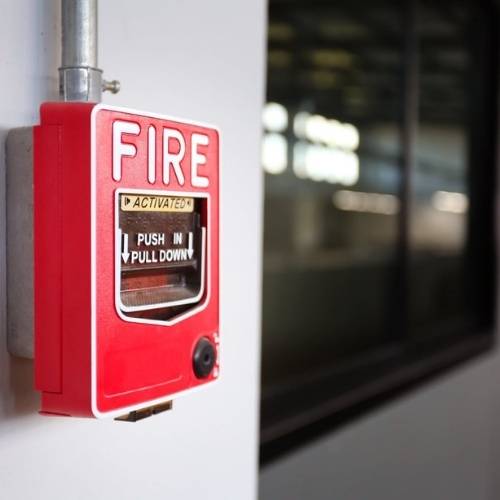
Manually actuated devices; Break glass stations, Buttons and manual pull station are constructed to be readily located (near the exits), identified, and operated. Automatically actuated devices can take many forms intended to respond to any number of detectable physical changes associated with fire: convected thermal energy; heat detector, products of combustion; smoke detector, radiant energy; flame detector, combustion gasses; carbon monoxide detector and release of extinguishing agents; water-flow detector. The newest innovations can use cameras and computer algorithms to analyze the visible effects of fire and movement in applications inappropriate for or hostile to other detection methods.
Emergency Evacuation Plans
Fire Check
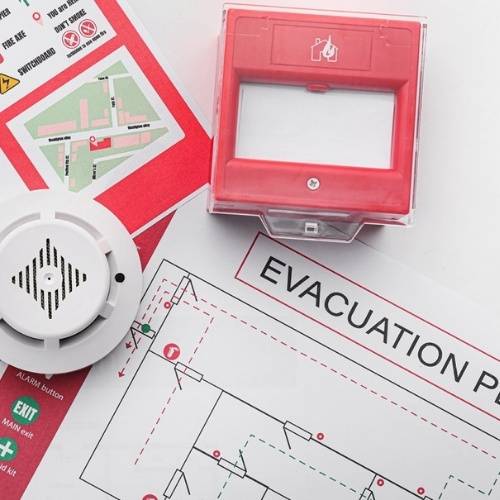
Emergency Evacuation Plans
Reasons for evacuation
Evacuations may be carried out before, during or after natural disasters such as:
- Eruptions of volcanoes,
- Cyclones
- Floods,
- Hurricanes,
- Earthquakes or
- Tsunamis.
- Other reasons include:
- Military attacks,
- Industrial accidents,
- Nuclear accident
- Traffic accidents, including train or aviation accidents,
- Fire,
- Bombings,
- Terrorist attacks
- Military battles
- Structural failure
- Viral outbreak
Planning
Evacuation sequence
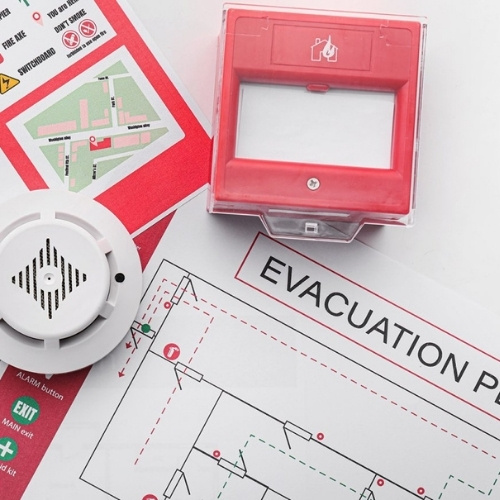
The sequence of an evacuation can be divided into the following phases:
- detection
- decision
- alarm
- reaction
- movement to an area of refuge or an assembly station
- transportation
The time for the first four phases is usually called pre-movement time.The particular phases are different for different objects, e.g., for ships a distinction between assembly and embarkation (to boats or rafts) is made. These are separate from each other. The decision whether to enter the boats or rafts is thus usually made after assembly is completed.
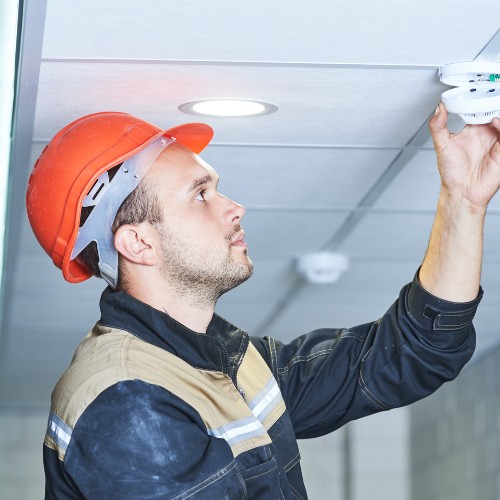
Commercial smoke detectors
Fire Check
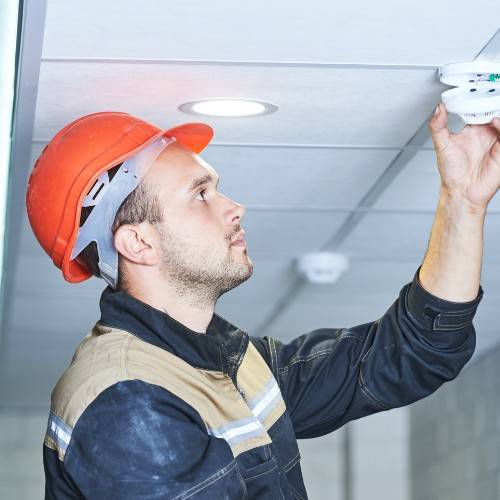
Commercial smoke detectors
An integrated locking mechanism for commercial building doors. Inside an enclosure are a locking device, smoke detector and power supply.
Commercial smoke detectors are either conventional or analog addressable, and are wired up to security monitoring systems or fire alarm control panels (FACP). These are the most common type of detector, and usually cost a lot more than a household smoke alarms. They exist in most commercial and industrial facilities, such as high rises, ships and trains. These detectors don't need to have built in alarms, as alarm systems can be controlled by the connected FACP, which will set off relevant alarms, and can also implement complex functions such as a staged evacuation.
Fire And Safety Training
Fire Check
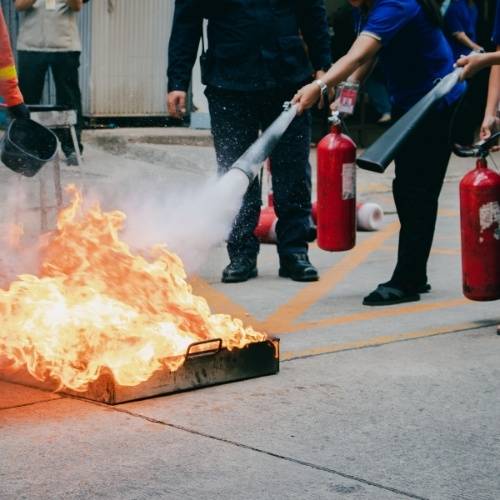
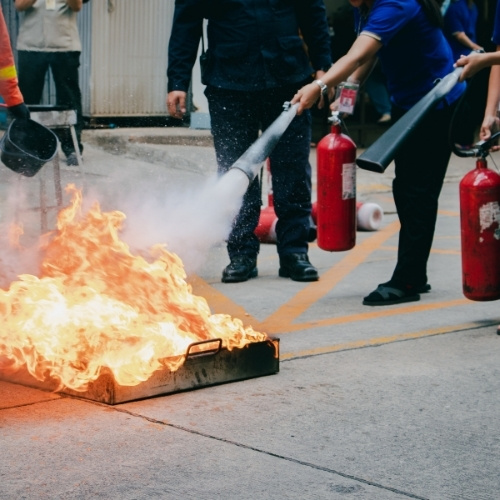
Fire And Safety Training
The fire training course covers the following:
-
Half day course
-
Fire Prevention
-
Theory of Fire
-
Practical Fire Fighting
-
Use of Fire Extinguishers
-
Fire Hose Drills
-
Candidates Issued with Certificate on Completion
Advanced Fire Fighter Training Also Available
Who Should Attend?
-
All Employees
-
Fire Team Members
- Fire Awareness Course
- Basic Fire Fighting Course
- Advanced Fire Fighting Course
- Breathing Apparatus Course
- Safe Use and Handling of Chlorine
- Safe Use and Handling of LP Gas
- First Aid Awareness Course
- First Aid Level 1
- First Aid Level 2
- First Aid Level 3
- Safety Induction Course
- General Health and Safety
- SHE Representative Course
- Accident/Incident Investigation
- Emergency and Evacuation Training
Carbon monoxide and carbon dioxide detection
Fire Check
Carbon monoxide and carbon dioxide detection
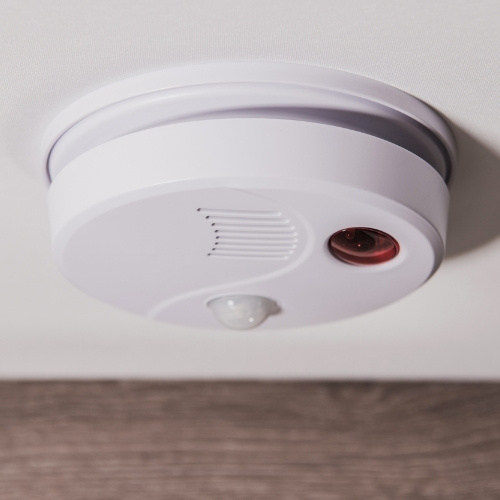
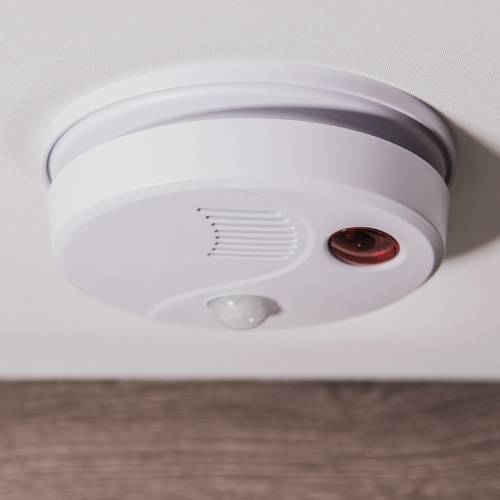
Some smoke alarms use a carbon dioxide sensor or carbon monoxide sensor in order to detect extremely dangerous products of combustion. However, not all smoke detectors that are advertised with such gas sensors are actually able to warn of poisonous levels of those gases in the absence of a fire.
Fire Doors
Fire Check
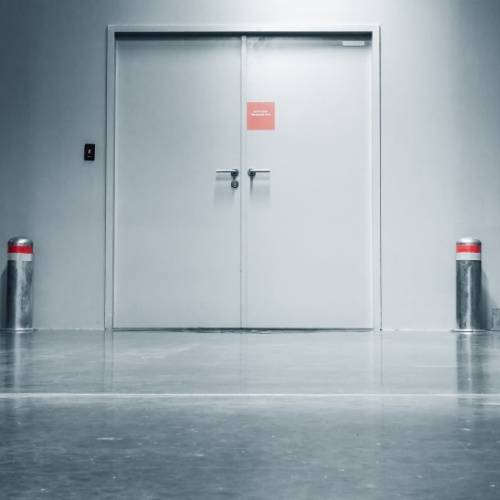
Fire Doors
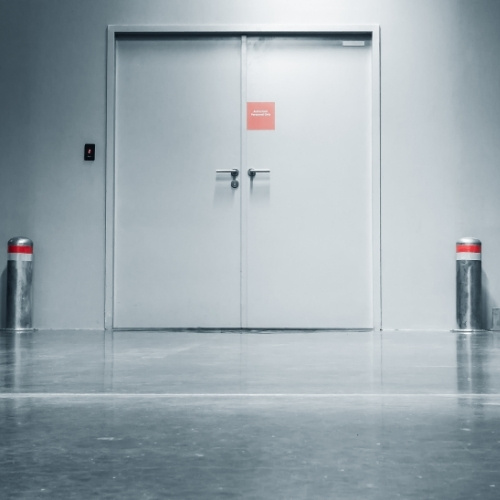
Fire doors may be made of a combination of materials, such as:
- timber
- steel
- gypsum (as an endothermic fill)
- vermiculite-boards
- glass sections
Door hardware includes, but is not limited to:
- Automatic closing devices.
- Ball bearing hinges.
- Positive latching mechanism.
Edges of a fire door usually need to have fire rated seals which can be composed of:
An intumescent strip, which expands when exposed to heat
- Neoprene weatherstripping
- Gaskets to prevent the passage of smoke
Some fire doors are equipped with internal windows which also have a rating, or have been incorporated at the time of the door test and be subject to the overall door's product certification. Fire-resistive windows must remain intact under fire conditions and hose stream impact resistance, and can include:
- Wire mesh glass
- Liquid sodium silicate fills between two window panes
- Ceramic glasses
- Borosilicate glass
Wired glass typically withstands the fire, whereas the sodium silicate liquid also acts to insulate heat transfer, due to the endothermic action of this chemical.
All components are required to adhere to product certification requirements that are acceptable to the local Authority Having Jurisdiction (AHJ) by meeting the requirements of the local building code and fire code. The regulatory requirement will change from country to country.
For example in the United Kingdom a fire resisting doorset should be subjected to either a British Standard Fire Test BS 476 Part 22 1987, or a BS/EN 1634-1 2000 test. The results are recorded by the test agency and provided in a report which detail such things as constructional details, distortion data and pressure readings. The numerical fire resistance rating that is required to be installed in a particular building is provided in the Building Regulations approved Document B, or British Standards such as the BS 5588 series (e.g., 30 minutes FD30, or FD30(S) if cold smoke resistance is also required).
Similar technical guidance documents and building regulations are in effect in other countries.
Fire doors are not necessarily noncombustible. It is acceptable for portions of the door to be destroyed by combustion during exposure to a fire as long as the door assembly meets the fire test criteria of limiting temperature limits on the non-fire side of the assembly. This is in accordance with the overall performance goal of a fire rated door to slow fire propagation from one fire rated compartment to another for only a limited amount of time, during which automatic or manual fire fighting may be employed to limit fire spread, or occupants can exit the building.
Fire doors are sometimes rendered unable to provide its listed fire resistance by ignorance of the intended use and associated restrictions and requirements, or by inappropriate use. For example, fire doors are sometimes blocked open, or carpets are run through them, which would allow the fire to travel past the fire barrier in which the door is placed. The door's certification markings are displayed both on the door leaves and the fire door frames, and should not be removed or painted over during the life of the building.
Sometimes fire doors have apparently very large gaps at the foot of them, an inch or two even, allowing air movement, such as in dormitory facilities. This can lead the occupants of a building to question their status as 'real' fire doors. Testing of fire doors include a maximum door undercut of 3/4 inch. Corridors have a fire rating of one hour or less, and the fire doors in them are required by code to have a fire rating of 1/2 or 1/3 hr, the intent of which is mainly to restrict smoke travel.
Most fire doors are designed to be kept closed at all times. Some doors are designed to stay open under normal circumstances, and close automatically in the event of a fire. Whichever method is used, the door's movement should never be impaired by a doorstop or other obstacle. The intumescent and smoke-seal bounding of fire doors should be routinely checked, as should the action of the door closer and latch.
Fire door held open by magnet
Some fire doors are held open with an electromagnet, which may be wired to a fire alarm system. If the power fails or the fire alarm is activated, the coil is de-energized and the door closes on its own.
Rated fire doors are tested to withstand a fire for a specified period. There are 20, 30, 45, 60 and 90-minute-rated fire doors that are certified by an approved laboratory (e.g. Underwriters Laboratories). The certification only applies if all parts of the installation are correctly specified and installed. For example, fitting the wrong kind of glazing may severely reduce the door's fire resistance period.
As well as ensuring the door is hung properly and squarely, it is also very important that where a fire door is installed, any gaps left in the opening between the wall and the door frame must be properly filled with fire resisting material. Fire doors are normally installed by a carpenter.
Fire Risk Assessment
Fire Check
Fire Risk Assessment
A fire risk assessment is an organised and methodical look at your premises, the activities carried on there and the likelihood that a fire could start and cause harm to those in and around the premises.
The aims of the fire risk assessment are:
* To identify the fire hazards.
* To reduce the risk of those hazards causing harm to as low as reasonably practicable.
* To decide what physical fire precautions and management arrangements are necessary to ensure the safety of people in your building if a fire does start.
If your organisation employs five or more people, or your premises are licensed or an alterations notice requiring it is in force, then the significant findings of the fire risk assessment, the actions to be taken as a result of the assessment and details of anyone especially at risk must be recorded. You will probably find it helpful to keep a record of the significant findings of your fire risk assessment even if you are not required to do so.
How do I carry out a fire risk assessment?
A fire risk assessment will help you determine the chances of a fire starting and the dangers from fire that your premises present for the people who use them and any person in the immediate vicinity.
Much of the information for your fire risk assessment will come from the knowledge your employees, colleagues and representatives have of the premises, as well as information given to you by people who have responsibility for other parts of the building. A tour of your premises will probably be needed to confirm, amend or add detail to your initial views.
It is important that you carry out your fire risk assessment in a practical and systematic way and that you allocate enough time to do a proper job. It must take the whole of your premises into account, including outdoor locations and any rooms and areas that are rarely used. If your premises are small you may be able to assess them as a whole. In larger premises you may find it helpful to divide them into rooms or a series of assessment areas using natural boundaries, e.g. areas such as kitchens or laundries, bedrooms, offices, stores, as well as corridors, stairways and external routes.
Under health and safety law (enforced by the HSE or the local authority) you are required to carry out a risk assessment in respect of any activities in your premises and to take or observe appropriate special, technical or organisational measures. If your health and safety risk assessment identifies that these activities are likely to involve the risk of fire or the spread of fire (for example in the kitchen or in a workshop) then you will need to take this into account during your fire risk assessment under the Order and prioritise actions based on the level of risk.
You need to appoint one or more‚ competent persons‚ (this could be you) to carry out any of the preventive and protective measures needed to comply with the Order. This person could be an appropriately trained employee or, where appropriate, a third party.
Your fire risk assessment should demonstrate that, as far as is reasonable, you have considered the needs of all relevant people, including disabled people.
Step 1 - Identify the hazards within your premises
You need to identify:
* sources of ignition such as naked flames, heaters or some commercial processes;
* sources of fuel such as built-up waste, display materials, textiles or overstocked products; and
* sources of oxygen such as air conditioning or medicinal or commercial oxygen supplies.
Step 2 - Identify people at risk
You will need to identify those people who may be especially at risk such as:
* people working near to fire dangers;
* people working alone or in isolated areas (such as in roof spaces or storerooms);
* children or parents with babies; and the elderly or infirm and people who are disabled.
Step 3 - Evaluate, remove, reduce and protect from risk
Evaluate the level of risk in your premises. You should remove or reduce any fire hazards where possible and reduce any risks you have identified. For example, you should:
* replace highly flammable materials with less flammable ones;
* make sure you separate flammable materials from sources of ignition; and
* have a safe-smoking policy.
When you have reduced the risk as far as possible, you must assess any risk that is left and decide whether there are any further measures you need to take to make sure you provide a reasonable level of fire safety.
Step 4 - Record, plan, instruct, inform and train
In this step you should record, plan, instruct, inform and train. You will need to record the dangers and people you have identified as especially at risk in step 1 and step 2. You should also record what you did about it in step 3. A simple plan can help you achieve this.
You will also need to make an emergency plan, tailored to your premises. It should include the action that you need to take in a fire in your premises or any premises nearby.
You will need to give staff, and occasionally others, such as hotel guests or volunteer stewards, instructions. All employees should receive enough information and training about the risks in the premises. Some, such as fire marshals, will need more thorough training.
Step 5 - Review
You should make sure your fire-risk assessment is up to date. You will need to re-examine your fire-risk assessment if you suspect it is no longer valid, such as after a near miss and every time there is a significant change to the level of risk in your premises. This could include:
* if you store more materials which can catch fire easily;
* a new night shift starting; or
* a change in the type or number of people using your premises.
Cellulite Reduction
Slim-ologists
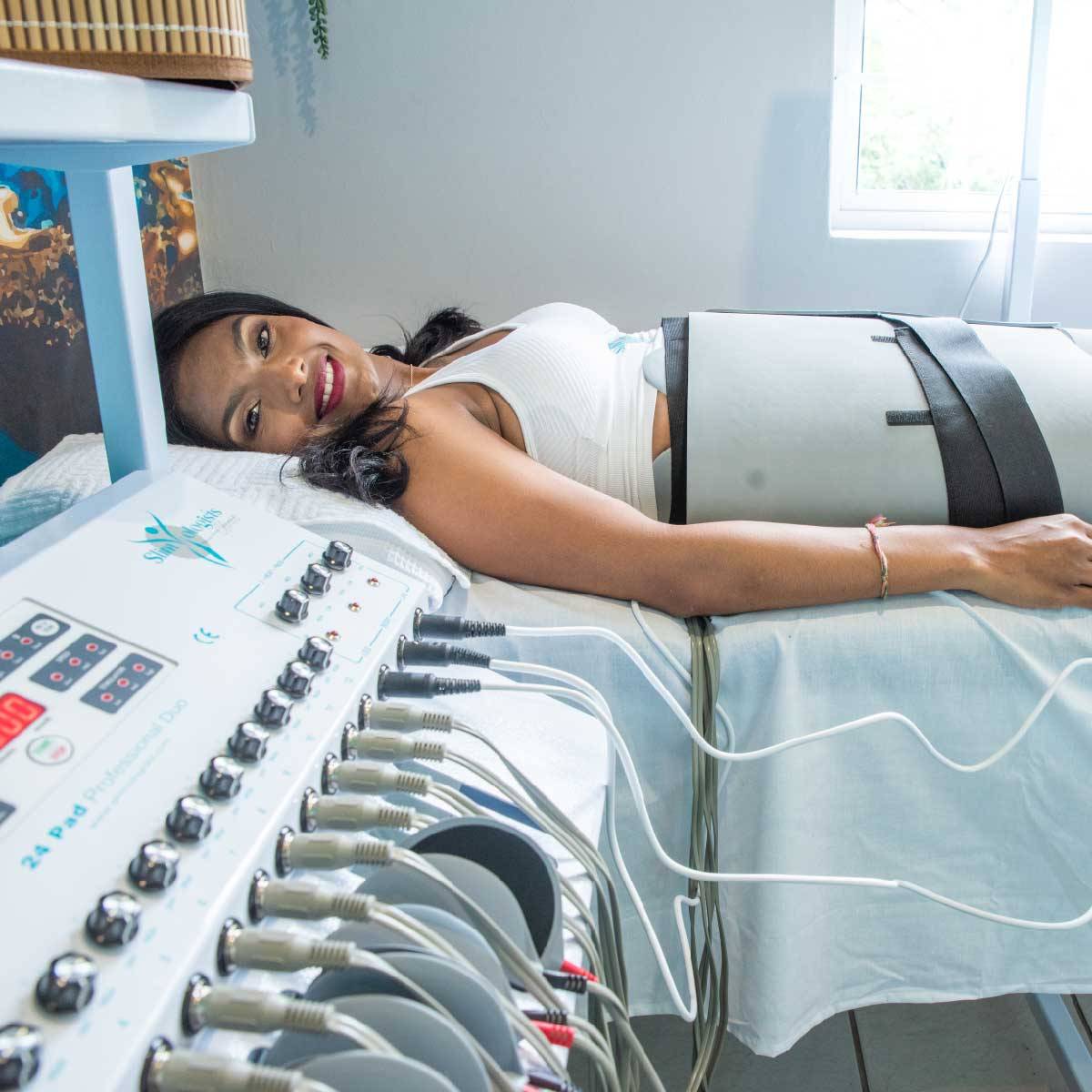
Cellulite Reduction
Slim-ologists Infrared Light:
Introducing Slim-ologists Slimming, Health & Transformation Clinic's latest innovation: Infrared, a revolutionary treatment harnessing the power of Infrared technology to elevate your well-being and sculpt your body naturally.
Our state-of-the-art Infrared lights gently warm your body, working beneath the surface. It's not just any warmth – it's a targeted therapeutic experience that takes you to a realm of relaxation, enhancing blood circulation and providing relief for stiff limbs, aching muscles, and sore joints. If you experience back issues, arthritis or fibromyalgia or any other musculoskeletal ailments, our Infrared Light will help tremendously, to ease your discomfort.
How does it work? Slim-ologists Infrared Light waves penetrate your tissues, causing molecules to vibrate and generating therapeutic heat. This heat goes beyond the surface, reaching muscles, nerves, and even bones, creating a haven of well-being and relaxation.
Most importantly Slim-ologists Infrared technology precisely targets fat droplets within epithelial cells. Through the heat-induced chemical changes, it empowers liposomes to eliminate fats via the lymphatic system and skin, resulting in noticeable cellulite reduction for both men and women.
Our therapists are adept at ensuring you derive maximum benefits from our products. Choose Slimologists Infrared Lights for a journey into warmth, deep tissue relaxation, improved circulation, waste elimination, and, notably, cellulite reduction. Elevate your well-being with Slim-ologists – where transformation and confidence harmonize.
Slim-ologists EMS and BodyTherm Heat Wraps:
Embark on a transformative journey with Slim-ologists Slimming, Health & Transformation Clinic – your ultimate destination for effective products that reshape, strengthen, and revitalize your body.
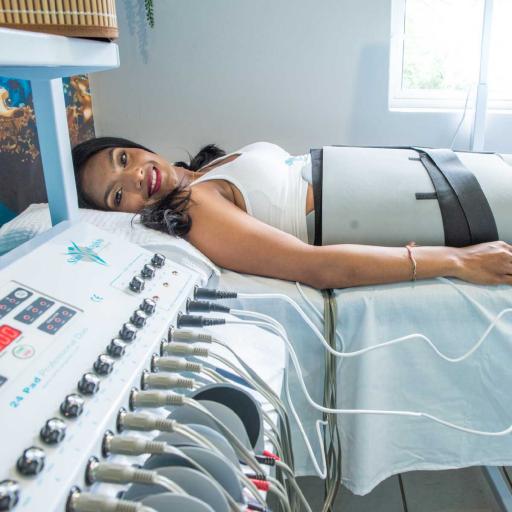
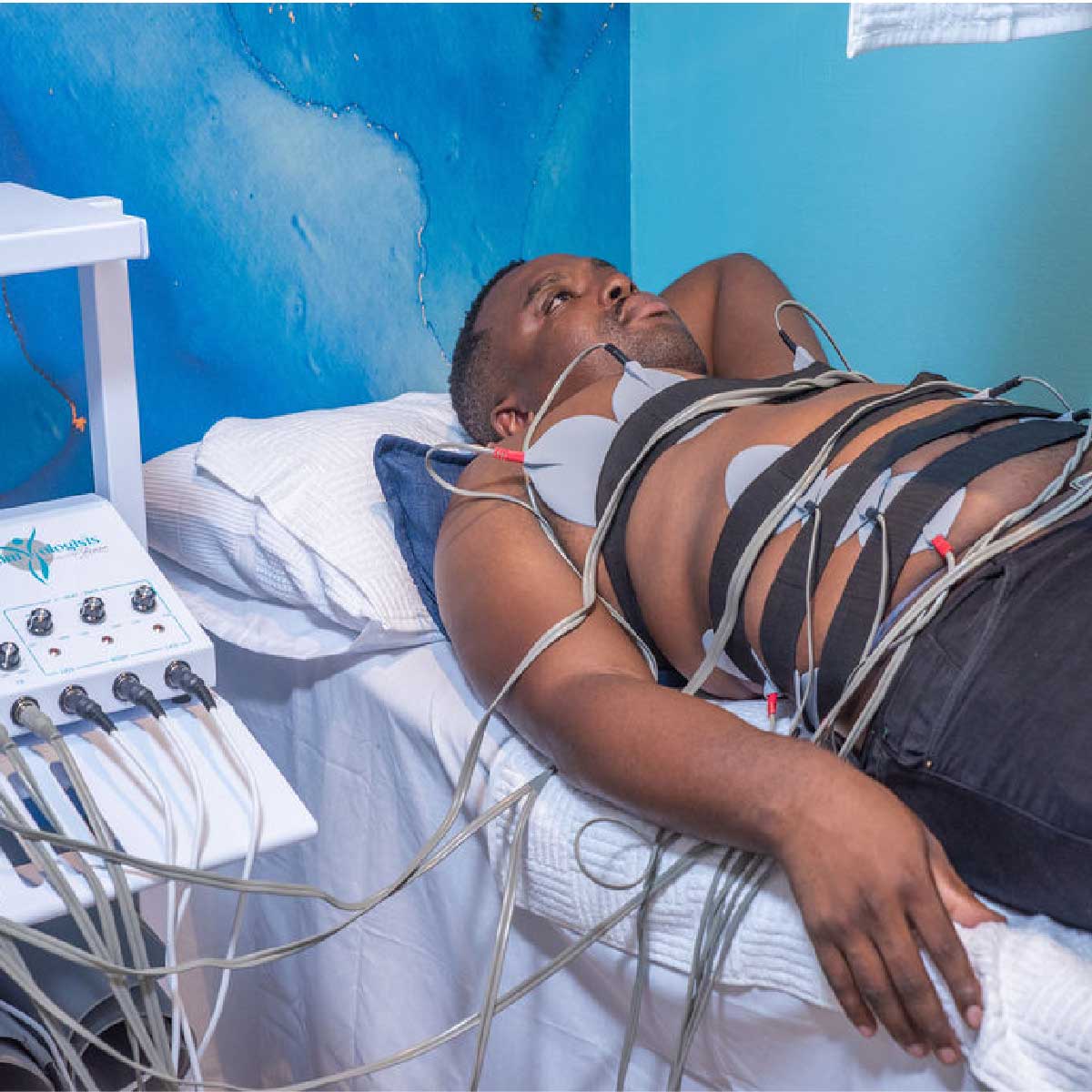
Our Slim-ologists 24 Pad DUO Professional machines seamlessly combine Electrical Muscle Stimulation (EMS) and heat treatments, strategically targeting fat and cellulite. It's not just user friendly; it's a high-speed performer, delivering impressive results.
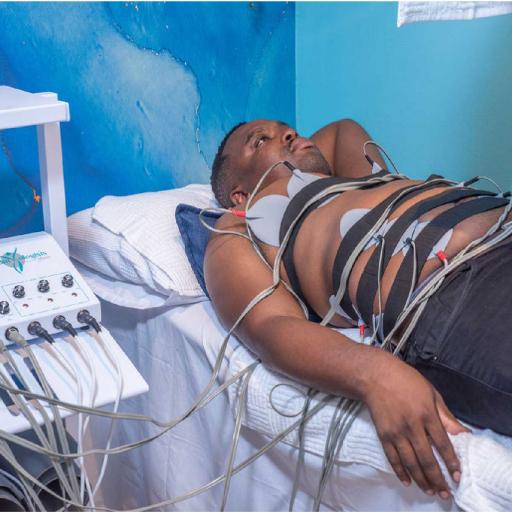
Imagine Slim-ologists' EMS machines as your personal muscle conductors. They delve deep, using electric impulses to orchestrate controlled contractions that mimic your muscles' natural movements. Electro-pads placed strategically on your skin focus on key areas, offering you an exclusive pass to strength and recovery.
The BodyTherm heat wraps are the secret weapon for your success. They release high-frequency currents, generating profound heat that revolutionizes blood flow. Teaming up with EMS, they work together to enhance your relaxation experience, bid farewell to stiffness, and combat cellulite.
How does it achieve its magic? By vibrating tissue molecules, targeting both water-rich and water poor tissues simultaneously. In simpler terms: enhanced blood circulation, ultimate relaxation, and a swift reduction in water retention during your slimming and toning sessions.
Opt for the Slim-ologists 24 Pad DUO Machine for a symphony of consistent heat in deep tissues, a boost in circulation, and a proven approach to cellulite reduction. Prepare for transformation with Slim-ologists – where advanced technology meets your wellness journey. Your body will thank you!
Air-sampling
Fire Check
Air-sampling
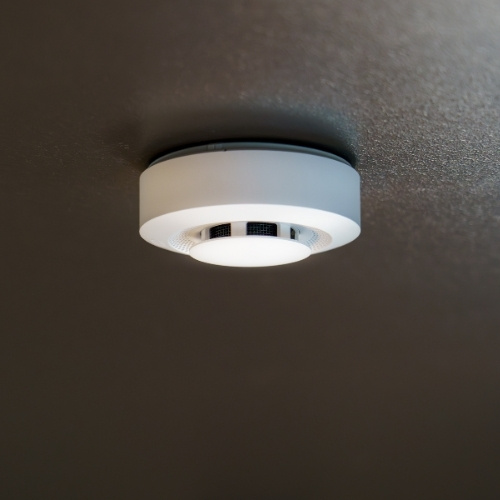
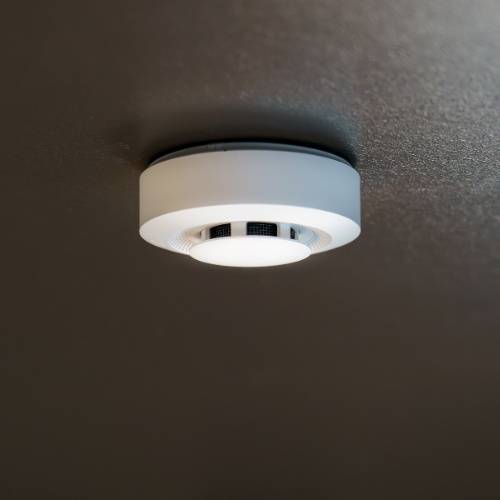
An air-sampling smoke detector is capable of detecting microscopic particles of smoke. Most air-sampling detectors are aspirating smoke detectors, which work by actively drawing air through a network of small-bore pipes laid out above or below a ceiling in parallel runs covering a protected area. Small holes drilled into each pipe form a matrix of holes (sampling points), providing an even distribution across the pipe network. Air samples are drawn past a sensitive optical device, often a solid-state laser, tuned to detect the extremely small particles of combustion. Air-sampling detectors may be used to trigger an automatic fire response, such as a gaseous fire suppression system, in high-value or mission-critical areas, such as archives or computer server rooms.
Most air-sampling smoke detection systems are capable of a higher sensitivity than spot type smoke detectors and provide multiple levels of alarm threshold, such as Alert, Action, Fire 1 and Fire 2. Thresholds may be set at levels across a wide range of smoke levels. This provides earlier notification of a developing fire than spot type smoke detection, allowing manual intervention or activation of automatic suppression systems before a fire has developed beyond the smoldering stage, thereby increasing the time available for evacuation and minimizing fire damage.
Toning & Firming
Slim-ologists Electronic Muscle Stimulation Machines (EMS):
Discover the transformative potential of Slim-ologists EMS Machines, cutting-edge devices designed to sculpt and tone your body through the power of Electronic Muscle Stimulation (EMS). These state of-the-art machines employ computer-controlled programs to deliver a customized experience, with strategically placed electro-pads targeting the neuromuscular junction for deep muscle contractions.Our EMS technology, utilizing Pulsed Monophasic Current, mimics voluntary muscle contractions, strengthening and repairing muscular tissue over therapy sessions.
What sets Slim-ologists machines apart from other options available on the market? Convenience, effectiveness and the latest technology available! With nine preconfigured programs, you can tailor treatment duration to 15, 30, 45, or 60 minutes. Experience comfortable surged contractions that mimic natural exercise, providing a rounded feeling.
Now, let's delve into the diverse range of targeted programs offered by Slim-ologists EMS Machines.
The Standard program, lasting 45 minutes, focuses on figure reshaping, emphasizing muscle toning and firming.
Seeking intense toning and improved posture? Opt for the Tone program, a 30-minute session combining strengthening, rehabilitation, and firming.
Short on time? The Fast program, a quick 15-minute session, aims for body definition through deep and fast toning.
The Lymph program, spanning 45 minutes, uses light and fast contractions to reduce water retention and reshape, with a specific focus on lymph drainage.
For relaxation and relief from tension, the 45-minute Relax program employs light and slow contractions, providing gentle conditioning and shaping.
The Abs program, in a 30-minute session, targets abdominal muscle tone, beneficial post-pregnancy or due to lack of use.
Enhance muscle definition in the Thighs program, a 45-minute session with deep and medium contractions.
The Face program, concise at 15 minutes, uses low and fast contractions to firm facial contours, offering toning and rehabilitation.
Lastly, the Bust program, spanning 45 minutes, uses combination contractions to address breast and chest sag, promoting toning, firming, and shaping, with a focus on rehabilitation.
Choose the Slim-ologists EMS Machine program aligning with your fitness and wellness goals.
Ionization
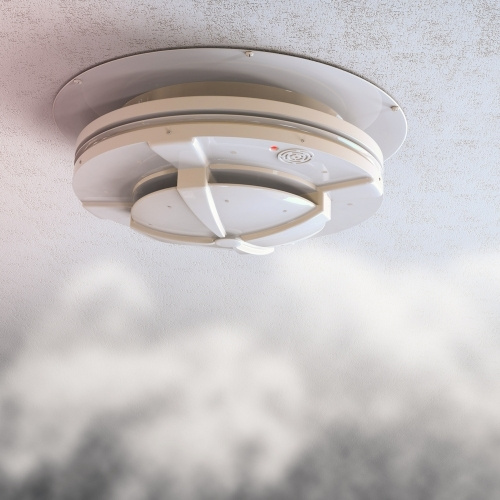
This type of detector is cheaper than the optical detector; however, it is sometimes rejected because it is more prone to false (nuisance) alarms than photoelectric smoke detectors. It can detect particles of smoke that are too small to be visible. It includes about 37 kBq or 1 µCi of radioactive americium-241 (241Am), corresponding to about 0.3 µg of the isotope. The radiation passes through an ionization chamber, an air-filled space between two electrodes, and permits a small, constant current between the electrodes. Any smoke that enters the chamber absorbs the alpha particles, which reduces the ionization and interrupts this current, setting off the alarm.
241Am, an alpha emitter, has a half-life of 432 years. This means that it does not have to be replaced during the useful life of the detector, and also makes it safe for people at home, since it is only slightly radioactive. Alpha radiation, as opposed to beta and gamma, is used for two additional reasons: Alpha particles have high ionization, so sufficient air particles will be ionized for the current to exist, and they have low penetrative power, meaning they will be stopped by the plastic of the smoke detector and/or the air. About one percent of the emitted radioactive energy of 241Am is gamma radiation.

Electro Facial Attachment
Slim-ologists

Electro Facial Attachment
Slim-ologists Electro Facial Attachment (EFA):
Transform your skincare routine with Slim-ologists' secret weapon: Facial Rejuvenation powered by Electronic Muscle Stimulation (EMS). Our cutting-edge Electro Facial Attachment (EFA) is like a magic wand for your face, boosting muscle tone and giving your skin a VIP treatment.
How does it work? The EFA delivers controlled electrical impulses, unlocking deep, involuntary contractions within your muscle fibres. This sleek device, part of our exclusive Slim-ologists range, is on a mission to sculpt your facial contours and elevate overall muscle health.
Brace yourself for the EFA's pumping action. It's not just a beauty device; it's a circulation powerhouse. Say hello to increased blood flow, delivering a surge of oxygen and nutrients to your skin. The result? Your muscles and skin are in for a treat, looking and feeling better than ever.Slim-ologists know the game, and with our EFA Professional Series, we've taken it to the next level. We've got preconfigured programs that make comfortable contractions an art form. It's like a workout for your face, minus the sweat with adjustable treatment durations, ranging from a quick 15 minutes to a lavish 30 minutes. Your personalized pampering session awaits!
Join the revolution – Slim-ologists' EMS technology is a nod to the muscle-toning legends of the 1920s, now reimagined for the skincare-savvy. Whether you're on a journey to health, recovery, or just want to amp up your muscle game, our EFA is here to make you glow. Experience the Slimologists difference – because your skin deserves a spotlight moment
Design Optical
Fire Check
Design Optical
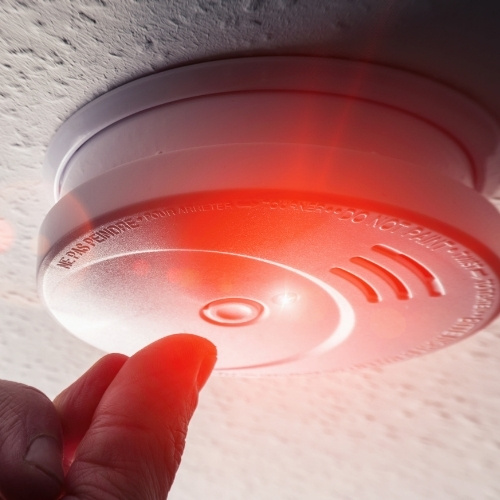
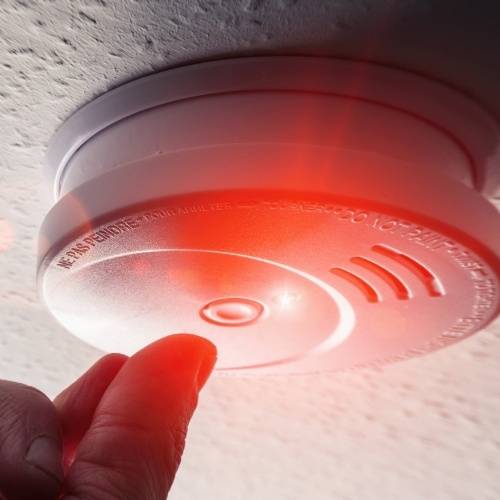
An optical detector is a light sensor. When used as a smoke detector, it includes a light source (incandescent bulb or infrared LED), a lens to collimate the light into a beam, and a photodiode or other photoelectric sensor at an angle to the beam as a light detector. In the absence of smoke, the light passes in front of the detector in a straight line. When smoke enters the optical chamber across the path of the light beam, some light is scattered by the smoke particles, directing it at the sensor and thus triggering the alarm.
Also seen in large rooms, such as a gymnasium or an auditorium, are devices to detect a projected beam. A unit on the wall sends out a beam, which is either received by a receiver or reflected back via a mirror. When the beam is less visible to the "eye" of the sensor, it sends an alarm signal to the fire alarm control panel.
Optical smoke detectors are quick in detecting particulate (smoke) generated by smoldering (cool, smoky) fires. Many independent tests indicate that optical smoke detectors typically detect particulates (smoke) from hot, flaming fires approximately 30 seconds later than ionization smoke alarms.
They are less sensitive to false alarms from steam or cooking fumes generated in kitchen or steam from the bathroom than are ionization smoke alarms. For the aforementioned reason, they are often referred to as 'toast proof' smoke alarms.
Fire Awareness Course
Fire Check
Fire Awareness Course
Fire Awareness Course |
|||||
|
Course Title |
Use of Fire Equipment |
Unit Standard ID |
- |
Credits |
- |
|
Duration |
½ Day |
NQF Level |
- |
||
|
COURSE CONTENTS/OUTCOMES |
|||||
|
Fire introduction The burning process • Procedure in case of a fire • The fire triangle • Extinguishing methods |
• Classes of fire • Getting out alive • Different extinguishing mediums • How to operate an extinguisher • Practical use of a fire extinguisher |
||||
Water spray
Fire Check
Water spray
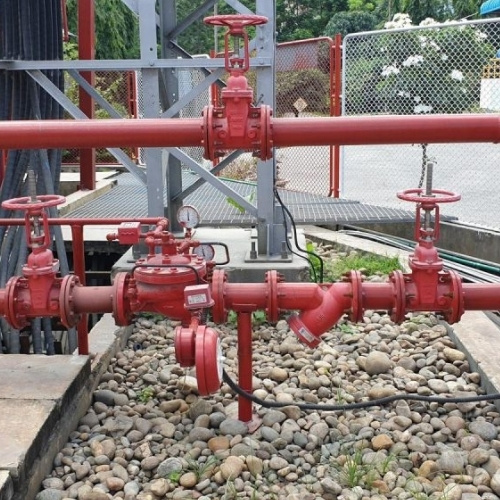
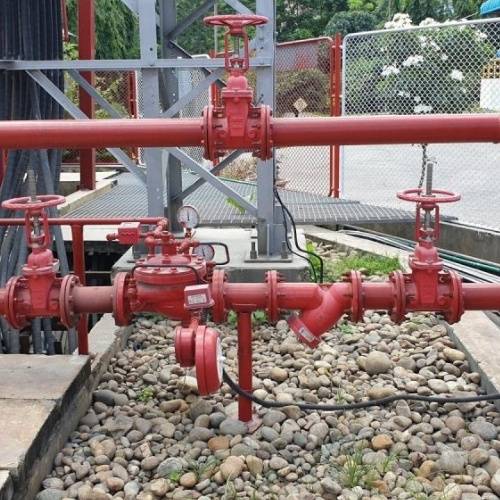
"Water spray" systems are operationally identical to a deluge system, but the piping and discharge nozzle spray patterns are designed to protect a uniquely configured hazard, usually being three dimensional components or equipment (i.e., as opposed to a deluge system, which is designed to cover the horizontal floor area of a room). The nozzles used may not be listed fire sprinklers, and are usually selected for a specific spray pattern to conform to the three dimensional nature of the hazard (e.g., typical spray patterns being oval, fan, full circle, narrow jet). Examples of hazards protected by water spray systems are electrical transformers containing oil for cooling or turbgenerator bearings. Water spray systems can also be used externally on the surfaces of tanks containing flammable liquids or gasses (such as hydrogen). Here the water spray is intended to cool the tank and its contents to prevent tank rupture/explosion (BLEVE) and fire spread.
Basic Fire Fighting Course
Fire Check
Basic Fire Fighting Course
Basic Fire Fighting Course |
|||||
|
Course Title |
Use of Fire Fighting Equipment and Hoses |
Unit Standard ID |
110075 |
Credits |
3 |
|
Duration |
1 Day |
NQF Level |
1 |
||
|
COURSE CONTENTS/OUTCOMES |
|||||
|
Fire introduction The burning process • Procedure in case of a fire • The fire triangle • Extinguishing methods • Classes of fire • Getting out alive • Different extinguishing mediums • How to operate an extinguisher • Practical use of a fire extinguisher |
• Fire Safety – Housekeeping • Fire prevention • Company policies and procedures – safety • The spread of fire • Containment of Fire • Practical use of Hose reels • Hydrant and hose drills • Fire blanket and buckets |
||||
Foam water sprinkler systems
Fire Check
Foam water sprinkler systems
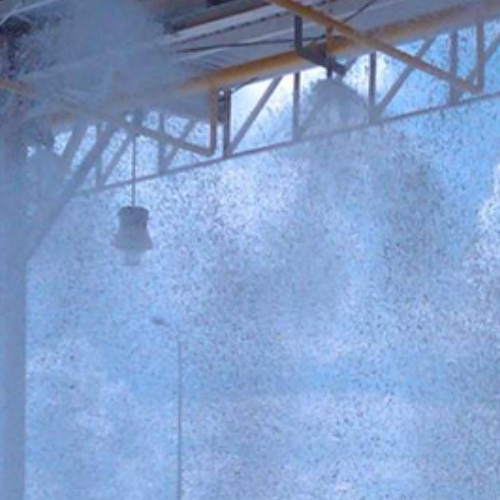
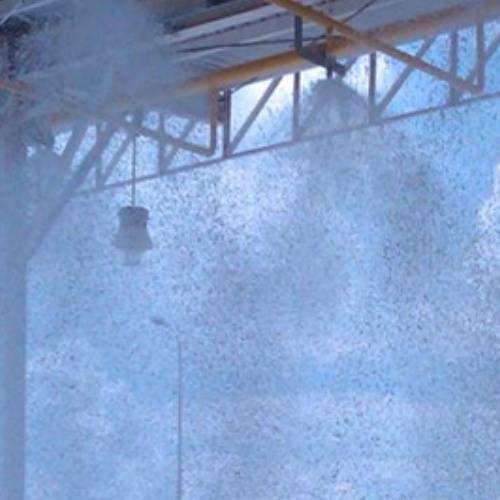
A foam water fire sprinkler system is a special application system, discharging a mixture of water and low expansion foam concentrate, resulting in a foam spray from the sprinkler. These systems are usually used with special hazards occupancies associated with high challenge fires, such as flammable liquids, and airport hangars. Operation is as described above, depending on the system type into which the foam is injected.
Advanced Fire Fighting Course
Fire Check
Advanced Fire Fighting Course
Advanced Fire Fighting Course |
|||||
|
Course Title |
Advanced Fire Fighting |
Unit Standard ID |
13961 |
Credits |
4 |
|
Duration |
2 Days |
NQF Level |
2 |
||
|
COURSE CONTENTS/OUTCOMES |
|||||
|
Fire introduction The burning process
|
|
||||
Breathing Apparatus Course
Fire Check
Breathing Apparatus Course
Breathing Apparatus Course |
|||||
|
Course Title |
Breathing Apparatus |
Unit Standard ID |
- |
Credits |
- |
|
Duration |
1 Day |
NQF Level |
- |
||
|
COURSE CONTENTS/OUTCOMES |
|||||
|
|
||||
Deluge systems
Fire Check
Deluge systems
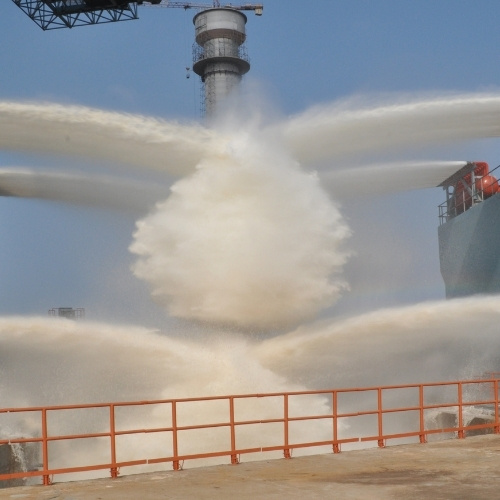
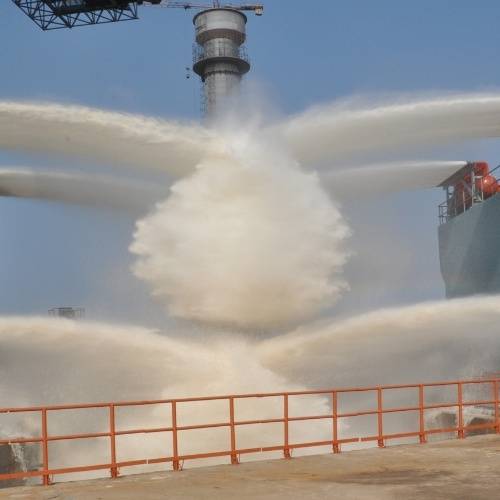
"Deluge" systems are systems in which all sprinklers connected to the water piping system are open, in that the heat sensing operating element is removed, or specifically designed as such. These systems are used for special hazards where rapid fire spread is a concern, as they provide a simultaneous application of water over the entire hazard. They are sometimes installed in personnel egress paths or building openings to slow travel of fire (e.g., openings in a fire-rated wall).
Water is not present in the piping until the system operates. Because the sprinkler orifices are open, the piping is at atmospheric pressure. To prevent the water supply pressure from forcing water into the piping, a deluge valve is used in the water supply connection, which is a mechanically latched valve. It is a non-resetting valve, and stays open once tripped.
Because the heat sensing elements present in the automatic sprinklers have been removed (resulting in open sprinklers), the deluge valve must be opened as signaled by a fire alarm system. The type of fire alarm initiating device is selected mainly based on the hazard (e.g., smoke detectors, heat detectors, or optical flame detectors). The initiation device signals the fire alarm panel, which in turn signals the deluge valve to open. Activation can also be manual, depending on the system goals. Manual activation is usually via an electric or pneumatic fire alarm pull station, which signals the fire alarm panel, which in turn signals the deluge valve to open.
Operation - Activation of a fire alarm initiating device, or a manual pull station, signals the fire alarm panel, which in turn signals the deluge valve to open, allowing water to enter the piping system. Water flows from all sprinklers simultaneously.
Safe Use and Handling of Chlorine
Fire Check
Safe Use and Handling of Chlorine
Safe Use and Handling of Chlorine |
|||||
|
Course Title |
Safe use and handling of Chlorine |
Unit Standard ID |
- |
Credits |
- |
|
Duration |
½ Day |
NQF Level |
- |
||
|
COURSE CONTENTS/OUTCOMES |
|||||
|
|
||||
Wet pipe systems
Fire Check
Wet pipe systems
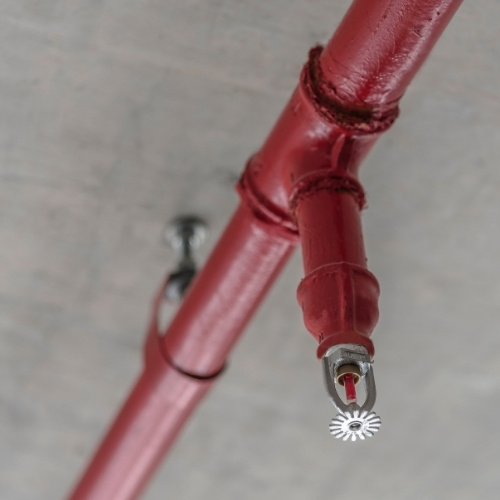
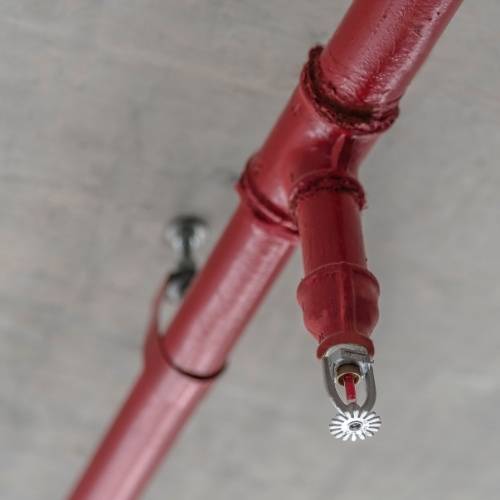
By a wide margin, wet pipe sprinkler systems are installed more often than all other types of fire sprinkler systems. They also are the most reliable, because they are simple, with the only operating components being the automatic sprinklers and (commonly, but not always) the automatic alarm check valve. An automatic water supply provides water under pressure to the system piping.
Operation - When an automatic sprinkler is exposed for a sufficient time to a temperature at or above the temperature rating, the heat sensitive element (glass bulb or fusible link) releases, allowing water to flow from that sprinkler.
Safe Use and Handling of LP Gas
Fire Check
Safe Use and Handling of LP Gas
Safe Use and Handling of LP Gas |
|||||
|
Course Title |
Safe use and handling of LP Gas |
Unit Standard ID |
- |
Credits |
- |
|
Duration |
½ Day |
NQF Level |
- |
||
|
COURSE CONTENTS/OUTCOMES |
|||||
|
|
||||
First Aid Awareness Course
Fire Check

First Aid Awareness Course
First Aid Awareness Course |
|||||
|
Course Title |
First Aid Awareness |
Unit Standard ID |
116511 |
Credits |
1 |
|
Duration |
1 Days |
NQF Level |
1 |
||
|
COURSE CONTENTS/OUTCOMES |
|||||
|
|
||||